Ceiling Leak Water Damage in Plant City, FL
A stain spreading across the ceiling usually means a bathroom, a pipe or an air handler above it is leaking. The restoration team finds how far the water went and dries the ceiling cavity, not just the spot.
(888) 621-2041Ceiling dripping? Call now.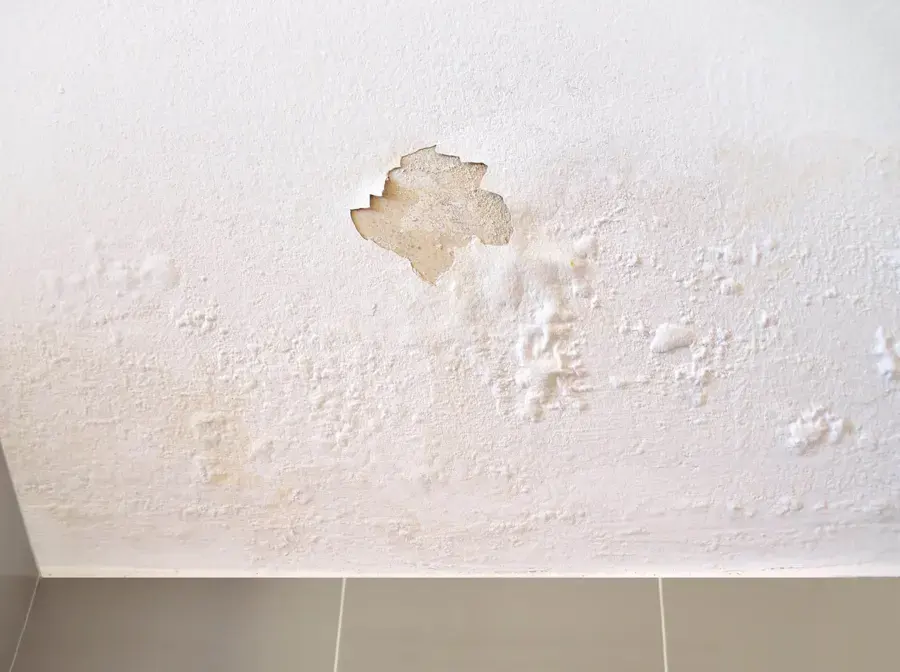
First steps for ceiling leak water damage in Plant City
Shut off the source
The fixture valve, the AC or the main.
Kill power to that circuit
Water near a light or fan is a shock risk.
Drain a bulge
A small hole at the low point, bucket underneath.
Move furniture
Clear the floor under the leak.
How the Plant City team handles ceiling leak water damage
Moisture mapped first
The tech who does the walkthrough maps wet materials with pinless meters and thermal imaging before any equipment goes down.
IICRC S500 drying standard
The drying team works to IICRC S500, the industry drying standard: structural drying, not just surface drying.
Claim-ready documentation
Daily moisture readings, drying logs and timestamped photos build the file an adjuster reviews.
Plant City water experts
Slab leaks, AC condensate overflows, summer storm roof leaks and septic backups are everyday work here.
What does ceiling leak water damage cost in Plant City, FL?
In Plant City, FL, ceiling leak water damage restoration typically runs $1,200 to $6,500. The drivers are the source and category of the water, how far it spread across the ceiling, and whether ceiling board and insulation must be removed.
Small stain
$1,200 to $2,200
- Moisture mapping
- Vent holes and air movers
- Dry in place
Sagging section
$2,200 to $4,500
- Ceiling board removal
- Insulation removal
- Framing dried to goal
Ceiling and walls below
$4,500 to $6,500+
- Walls and floor dried too
- Dehumidifiers
- Claim documentation
Want a closer planning number? Run the Plant City water damage cost calculator. A firm figure comes from the on-site walkthrough, never from a web form.
The ceiling leak water damage process, row by row
- 1
Map it
The walkthrough tech finds where the water went, room by room, with meters and thermal imaging.
- 2
Pull it
The extraction crew removes standing water first, usually with truck-mounted units.
- 3
Dry it
Air movers and LGR dehumidifiers run at the load each room needs, with daily readings.
- 4
Prove it
Equipment comes out when readings sit within 2 to 4 points of a dry reference.
In a one-story Plant City block home, the most common ceiling leak comes from the air handler or ductwork in the attic. In two-story homes around Walden Lake and the newer subdivisions, it is usually a bathroom above: a toilet supply line, a shower pan or a tub drain. Either way, water collects on top of the ceiling board before it shows.
How the leak is traced
The tech who does the walkthrough maps the stain and the area around it with thermal imaging and pinless meters, then checks the room above or the attic. Water spreads along joists, so the wet area inside the ceiling is often bigger than the stain. Knowing the source also sets the category: a supply line is clean water, while a toilet overflow or a condensate pan is gray water.
- Supply line and pipe leaks: Category 1 when caught early.
- AC condensate and drain leaks: Category 2.
- Toilet overflow with waste: Category 3, handled like sewage.
Dry in place or remove
Firm ceiling board wet with clean water can often be dried in place. The drying team may drill small vent holes to move air through the cavity and sets air movers and a dehumidifier in the room. Board that sags, crumbles or stayed wet with gray water comes down, along with wet insulation above it. Drying continues until the joists and remaining board read within range of a dry reference.
When the water came from the roof instead of inside the house, see roof leak water damage. For AC-related ceiling leaks, see AC drain line leak cleanup.
Documenting a ceiling leak
Photos of the stain, the source and the attic or the room above, plus daily readings, make the claim file clear. Coverage depends on your policy, so it is worth checking with your own insurer.
Leak prevention tips from EPA WaterSense and home moisture advice from the EPA explain why hidden water matters.
Ceiling leak water damage across Plant City and east Hillsborough
The Plant City restoration crew covers downtown, the North Plant City historic district, Walden Lake, Knights, Cork, Trapnell, Keysville and Springhead, plus Dover, Seffner and Thonotosassa, ZIP codes 33563, 33564, 33565, 33566 and 33567.
Every neighborhood and ZIP coveredRelated water damage services in Plant City
Ceiling Leak Water Damage questions in Plant City, FL
The Plant City restoration crew works day and night on ceiling leak water damage.
(888) 621-2041Why is the stain spreading?
Water collects on top of the ceiling board and runs along the joists. The stain grows as the board soaks through, and the wet area inside is often larger.
Is it safe to turn on the light in that room?
Not if water is near the fixture. Turn that circuit off at the panel until the area is dry and checked.
Can the ceiling be dried without tearing it out?
Often yes, when the board is firm and the water was clean. Sagging or crumbling board, or gray water, means removal.
What if the leak came from a toilet upstairs?
A clean supply line leak is Category 1. An overflow with waste is Category 3, and the affected ceiling and insulation are removed.
How long does a ceiling take to dry?
A contained ceiling leak usually dries in three to five days with air movers and a dehumidifier, confirmed by daily readings.
Who fixes the leaking pipe or fixture?
A plumber or HVAC tech repairs the source. The restoration team dries or removes what the water damaged.
Ceiling leaking in a Plant City home? Dry it out now.
Water above the ceiling keeps soaking board and insulation until it comes down. The drying team works day and night across Plant City and east Hillsborough County.